Part 1 – Introduction to Digital Humans
IArtificial Intelligence (AI) is transforming the way humans live, work, and communicate. Over the last few decades, AI has evolved from simple computer programs to advanced systems capable of understanding speech, recognizing images, and making intelligent decisions. One of the most remarkable innovations in this field is the creation of Digital Humans.
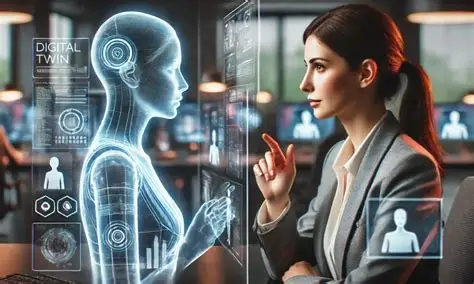
Digital humans are virtual characters that look, speak, and behave like real people. They combine artificial intelligence, computer graphics, natural language processing, speech technology, and facial animation to create realistic interactions. Unlike traditional chatbots, which communicate only through text, digital humans can hold conversations using natural voices, facial expressions, eye contact, and body movements. This makes communication more engaging and human-like.
Today, digital humans are being used in many industries, including healthcare, education, banking, retail, tourism, customer service, and entertainment. They answer customer questions, assist doctors, teach students, welcome visitors, and provide personalized support 24 hours a day. As technology continues to improve, digital humans are expected to become an important part of everyday life, acting as intelligent assistants in homes, offices, hospitals, and even smart cities.
The rise of digital humans marks a significant step toward creating more natural interactions between humans and machines. Instead of simply using computers as tools, people can now communicate with them almost as they would with another person.
What Are Digital Humans?
A Digital Human is an AI-powered virtual person designed to simulate human communication and behavior. It can understand spoken or written language, process information using artificial intelligence, and respond through realistic speech, facial expressions, and gestures.
Unlike animated characters in movies or video games, digital humans are interactive. They can answer questions, remember previous conversations, adapt their responses, and even recognize emotions through voice or facial expressions.
Digital humans are designed to create experiences that feel more personal and engaging than traditional software. Their ability to communicate naturally makes them suitable for tasks that require human interaction, such as customer support, teaching, healthcare guidance, and virtual assistance.
Evolution of Digital Humans
The journey of digital humans began with simple computer programs that could only answer predefined questions. Early chatbots followed fixed rules and often failed to understand complex conversations.
The introduction of Artificial Intelligence and Machine Learning allowed computers to learn from data instead of relying only on programmed instructions. Natural Language Processing (NLP) enabled machines to understand human language, while speech recognition allowed them to listen and respond using voice.
At the same time, advances in computer graphics made it possible to create realistic 3D human models with detailed facial expressions and body movements. Modern digital humans now combine these technologies to provide conversations that feel increasingly natural and realistic.
Today, companies around the world are investing heavily in digital human technology, believing it will become one of the most important forms of human-computer interaction in the coming years.
Key Characteristics of Digital Humans
Digital humans possess several unique features that distinguish them from traditional virtual assistants.
- Human-like Appearance: They are designed with realistic faces, eyes, skin textures, and body movements.
- Natural Communication: They understand and respond using spoken or written language.
- Facial Expressions: They smile, blink, nod, and express emotions during conversations.
- Multilingual Support: Many digital humans can communicate in multiple languages.
- Personalized Responses: AI enables them to remember preferences and adapt to individual users.
- 24/7 Availability: They can provide assistance at any time without fatigue.
These features make interactions more comfortable, efficient, and engaging for users.
Why Are Digital Humans Important?
Digital humans are changing the way organizations communicate with people. Businesses can provide instant customer support, hospitals can offer virtual health assistants, schools can use AI tutors, and banks can guide customers through financial services.
Their ability to work continuously without breaks helps reduce operational costs while improving service quality. They can also make digital services more accessible for elderly people, individuals with disabilities, or users who prefer voice-based interaction.
As the demand for faster, smarter, and more personalized services grows, digital humans are becoming an effective solution for improving user experience across many sectors.
Applications of Digital Humans
Digital humans are already making an impact in several fields:
- Customer service and technical support
- Healthcare and virtual patient assistance
- Education and online tutoring
- Banking and financial guidance
- Retail and shopping assistance
- Tourism and museum guides
- Entertainment and virtual influencers
- Government information services
As AI technology continues to evolve, these applications are expected to expand significantly.
Characteristics of Digital Humans
- Human-like appearance
- Natural voice communication
- Facial expressions and emotions
- Gesture and body language
- Multilingual communication
- AI-powered learning and adaptation
- 24/7 availability
- Personalized interaction
Applications
Digital humans are already being used in:
- Customer service
- Education
- Healthcare
- Banking
- Tourism
- Retail
- Entertainment
- Government services
Conclusion
Digital humans represent the next generation of human-computer interaction. They bridge the gap between artificial intelligence and natural communication, making technology more accessible, efficient, and engaging.
Part 2 – Technologies Behind Digital Humans
Introduction
Digital humans are created by combining several advanced technologies rather than relying on a single AI system. These technologies enable them to understand speech, recognize emotions, process information, and respond with realistic facial expressions and natural voices. Together, they create an experience that feels similar to interacting with a real person.
Artificial Intelligence (AI)
Artificial Intelligence is the core technology behind every digital human. It allows the system to think, make decisions, answer questions, and solve problems based on the information it receives. AI enables digital humans to provide accurate and intelligent responses instead of following fixed scripts.
Machine Learning (ML)
Machine Learning helps digital humans improve over time by learning from conversations and user interactions. The more data they process, the better they become at understanding different questions, preferences, and communication styles.
Natural Language Processing (NLP)
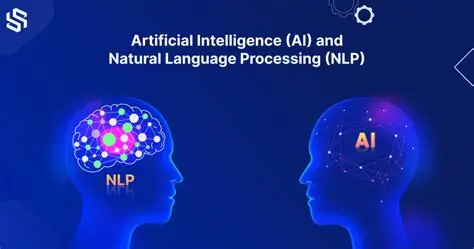
Natural Language Processing allows digital humans to understand human language. It analyzes words, sentence structure, and meaning before generating a suitable response. NLP enables conversations that feel natural instead of robotic.
Speech Recognition and Speech Synthesis
Speech Recognition converts spoken words into text so the AI can understand them. After processing the request, Speech Synthesis converts the AI’s response back into a natural human-like voice.
These technologies allow users to communicate through voice instead of typing.
Computer Vision
Computer Vision enables digital humans to recognize faces, gestures, and facial expressions using cameras. This helps them understand a user’s emotions and respond more naturally during conversations.
3D Modeling and Facial Animation
Realistic appearance is achieved through 3D modeling and facial animation. Advanced graphics create lifelike skin, eyes, facial expressions, and body movements. These animations make digital humans appear more engaging and believable.
Cloud Computing
Many digital humans operate using cloud computing. The cloud stores AI models and processes conversations quickly, allowing users to interact from anywhere with an internet connection.
Part 3 – How Digital Humans Work
Introduction
Digital humans may appear like ordinary virtual characters, but behind them is a powerful system of artificial intelligence and advanced software. They process information in real time, understand user requests, and respond naturally through speech, facial expressions, and body language. Their goal is to make conversations feel as close to human interaction as possible.
Step 1: Receiving User Input
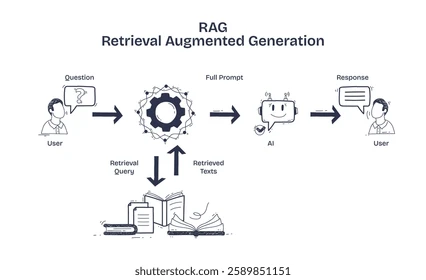
The interaction begins when a user speaks or types a question. If the user speaks, the system uses Speech Recognition technology to convert the voice into text. If the user types, the text is sent directly to the AI system for processing.
Step 2: Understanding the Request
The converted text is analyzed using Natural Language Processing (NLP). NLP helps the digital human understand the meaning, context, and intention behind the user’s words rather than just recognizing individual keywords.
For example, if a customer asks, “Can you help me open a bank account?”, the AI understands that the user needs information about banking services.
Step 3: AI Decision Making
Once the request is understood, the Artificial Intelligence system searches its knowledge base or connected databases to find the most accurate answer. Some advanced digital humans can also remember previous conversations to provide more personalized responses.
Machine Learning helps improve these responses over time by learning from user interactions.
Step 4: Generating the Response
After selecting the correct answer, the system converts the text into natural speech using Speech Synthesis. At the same time, facial animations and body movements are synchronized with the spoken words.
The digital human may smile, blink, nod, or use hand gestures, making the conversation appear realistic and engaging.
Continuous Learning
Modern digital humans continue to improve through Machine Learning. They analyze previous interactions, identify common questions, and enhance their communication skills. This allows them to provide faster, more accurate, and more personalized assistance over time.
Part 4 – Applications of Digital Humans
1. Healthcare
In the healthcare sector, digital humans act as virtual health assistants. They help patients book appointments, provide basic medical information, remind patients to take medicines, and answer common health-related questions. This reduces the workload of healthcare professionals and improves patient support.
2. Education
Digital humans are transforming education by serving as AI tutors and virtual teachers. They explain lessons, answer students’ questions, conduct interactive learning sessions, and provide personalized guidance. Students can learn at their own pace, making education more flexible and engaging.
3. Customer Service
Many companies use digital humans as customer support representatives. They can answer frequently asked questions, resolve basic issues, guide users through products or services, and provide assistance 24/7. This improves customer satisfaction while reducing waiting times.
4. Banking and Finance
Banks use digital humans to help customers with account information, loan details, digital banking services, and financial guidance. They provide quick assistance while maintaining a professional and friendly interaction.
5. Retail and E-commerce
In online and physical stores, digital humans work as virtual shopping assistants. They recommend products, explain features, assist customers during purchases, and answer product-related questions, creating a more personalized shopping experience.
6. Tourism and Hospitality
Hotels, airports, museums, and tourist centers use digital humans as virtual guides. They provide travel information, recommend attractions, assist with bookings, and answer visitors’ questions in multiple languages.
7. Entertainment and Media
Digital humans are increasingly used as virtual presenters, influencers, and brand ambassadors. They appear in advertisements, social media campaigns, live events, and digital content, offering a unique and interactive experience for audiences.
Part 5 – Advantages of Digital HumansPart 5 – Advantages of Digital Humans
Digital humans are transforming the way businesses and organizations interact with people. Their ability to communicate naturally, provide instant responses, and work continuously makes them valuable across many industries. As AI technology advances, digital humans are becoming smarter, more efficient, and capable of handling a wide range of tasks.
1. 24/7 Availability
Unlike human employees, digital humans can work around the clock without breaks or holidays. This allows businesses to provide customer support and services at any time, improving customer satisfaction.
2. Personalized User Experience
Digital humans can remember user preferences and previous interactions. This enables them to offer personalized recommendations, answer questions more effectively, and create a more engaging experience for each individual.
3. Faster and Accurate Responses
Powered by Artificial Intelligence, digital humans can process large amounts of information within seconds. They provide quick and accurate answers, reducing waiting times and improving efficiency.
4. Cost-Effective Solution
Organizations can reduce operational costs by using digital humans for repetitive tasks such as answering common questions, booking appointments, or guiding customers. Human employees can then focus on more complex responsibilities.
5. Multilingual Communication
Many digital humans can communicate in multiple languages, making them useful for international businesses and organizations. They help overcome language barriers and improve communication with people from different regions.
6. Consistent Service
Unlike humans, digital humans provide the same quality of service every time. They do not become tired, distracted, or affected by emotions, ensuring reliable and professional interactions.
7. Improved Accessibility
Digital humans make digital services easier to access for elderly users, people with disabilities, and individuals who prefer voice-based communication. This promotes greater inclusivity and convenience.
Part 6 – Challenges and LimitationsPart 6 – Challenges and Limitations of Digital Humans
Although digital humans offer many benefits, they also face several challenges and limitations. As this technology continues to develop, addressing these issues is essential to ensure that digital humans are safe, reliable, and beneficial for society.
1. Privacy and Data Security
Digital humans often collect personal information such as names, voice recordings, and conversation history. Protecting this sensitive data is crucial to prevent misuse, cyberattacks, or unauthorized access. Organizations must follow strict data privacy regulations to maintain user trust.
2. High Development Cost
Creating a realistic digital human requires advanced AI models, high-quality 3D graphics, voice technology, and powerful computing systems. As a result, developing and maintaining digital humans can be expensive, especially for small businesses.
3. Limited Emotional Understanding
While digital humans can recognize basic emotions such as happiness, sadness, or anger, they still cannot fully understand complex human feelings. Their responses may sometimes seem artificial or fail to provide the empathy that a real person can offer.
4. Ethical Concerns
The increasing use of digital humans raises ethical questions. Users should always know whether they are interacting with a real person or an AI. There are also concerns about creating highly realistic virtual people that could be used to spread misinformation or deceive others.
5. Dependence on Technology
Digital humans rely on internet connectivity, cloud computing, and AI systems to function effectively. Technical failures, software bugs, or network problems can interrupt their services and reduce their reliability.
6. Job Displacement
As digital humans become capable of handling customer service, reception, and support tasks, some people worry that they may replace certain jobs. However, many experts believe they will work alongside humans rather than completely replacing them, allowing employees to focus on more complex and creative tasks.
7. Continuous Updates and Maintenance
AI systems require regular updates to improve accuracy, security, and performance. Without proper maintenance, digital humans may provide outdated information or fail to meet user expectations.
Part 7 – Digital Humans vs Chatbots vs Virtual Assistants
Comparison:
| Feature | Chatbot | Virtual Assistant | Digital Human |
|---|---|---|---|
| Text | ✅ | ✅ | ✅ |
| Voice | ❌ | ✅ | ✅ |
| Facial Expressions | ❌ | ❌ | ✅ |
| Emotions | ❌ | Limited | Advanced |
| Human Appearance | ❌ | ❌ | ✅ |
Conclusion: Digital humans offer the most immersive and human-like interaction.
Part 8 – Future of Digital Humans
Future developments:
- Smart cities
- Virtual doctors
- AI teachers
- Digital government assistants
- AI shopping assistants
- Virtual influencers
- Metaverse integration
- Digital companions
Part 9 – Real-World Examples
Examples:
- NVIDIA ACE
- Soul Machines
- UneeQ
- Samsung NEON
- Microsoft AI avatars
- Meta AI avatars
Briefly explain how each company uses digital humans.
Part 10 – Conclusion and Future Scope
Future Scope:
- More natural conversations
- Better emotional intelligence
- Personalized education
- Improved healthcare assistance
- AI-powered workplaces
- Ethical AI development
Final Conclusion
Digital humans are transforming the way people interact with technology. By combining artificial intelligence, computer graphics, and human-like communication, they provide more engaging and efficient experiences than traditional software. As AI continues to improve, digital humans are expected to become trusted assistants in workplaces, schools, hospitals, and homes, shaping the future of digital interaction.
References
- NVIDIA
- Microsoft
- OpenAI
- Soul Machines
- UneeQ
- Samsung Research
- IEEE Xplore
- ACM Digital Library
- World Economic Forum
- Gartner
Developed by : ASMIT MALL

Leave a Reply